Hundreds Sue Over GLP-1 Drugs Alleging Permanent Vision Loss
Hundreds of lawsuits have been filed in Birmingham, Anniston, and Tuscaloosa alleging that popular GLP-1 drugs, including Ozempic, Wegovy, and Mounjaro, caused permanent vision loss due to a condition known as non-arteritic anterior ischemic optic neuropathy (NAION).
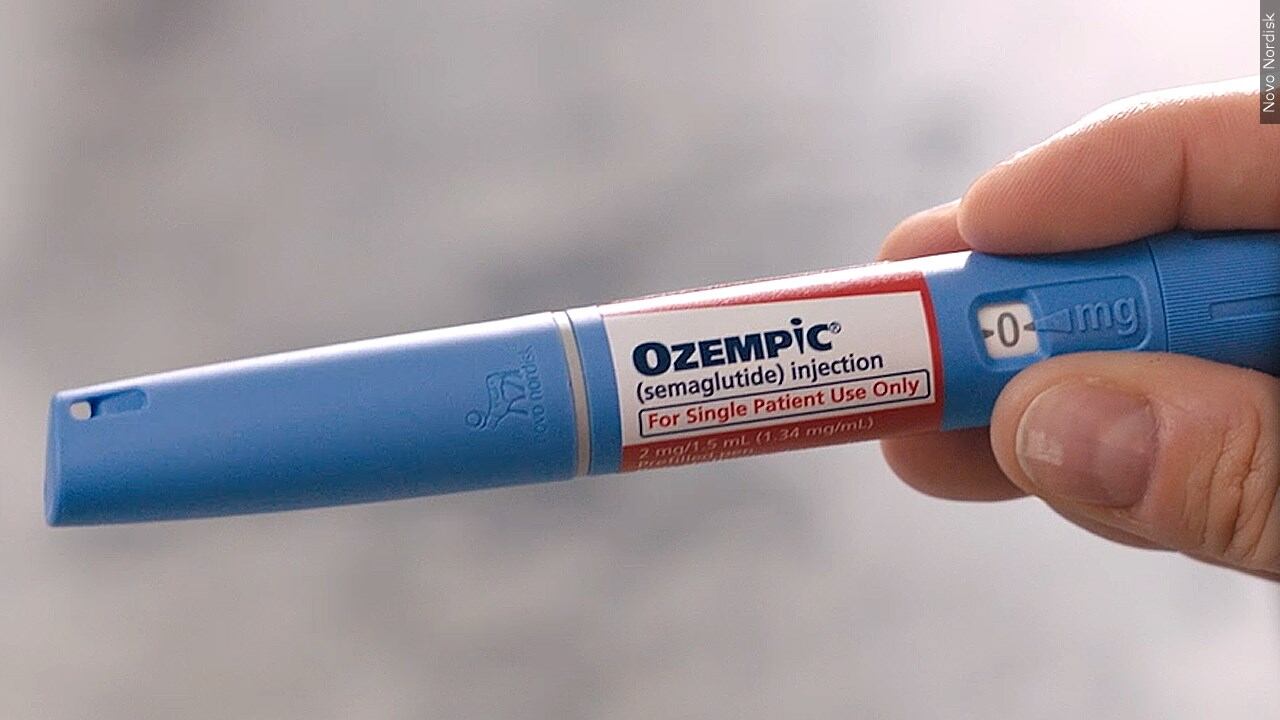
 Birmingham, AL, September 22, 2026 — Hundreds of lawsuits have been filed across Alabama, specifically in Birmingham, Anniston, and Tuscaloosa, alleging that several popular GLP-1 medications may have caused permanent vision loss in users. The legal actions claim a link between the use of drugs such as Ozempic, Wegovy, and Mounjaro and the development of non-arteritic anterior ischemic optic neuropathy (NAION), a condition that can lead to irreversible vision impairment.
The lawsuits contend that these widely prescribed medications, intended for the treatment of type 2 diabetes and weight management, have resulted in severe ocular damage for a significant number of patients. NAION is a condition characterized by sudden, painless vision loss in one eye, often occurring abruptly. It happens when blood flow to the optic nerve is interrupted, causing damage that is typically permanent.
The specific details of each case, including the number of plaintiffs involved in each city or the exact timeline of alleged vision loss in relation to drug usage, were not immediately available. However, the aggregation of these legal filings in multiple locations suggests a pattern of alleged harm being investigated by plaintiffs’ attorneys.
Ozempic and Wegovy are manufactured by Novo Nordisk, while Mounjaro is produced by Eli Lilly. These GLP-1 receptor agonists have gained considerable attention and widespread use in recent years for their efficacy in managing blood sugar levels and promoting weight loss. The lawsuits, however, raise concerns about potential severe side effects that may not have been adequately disclosed or warned against by the manufacturers.
As the litigation progresses, legal experts anticipate that these cases may be consolidated for pretrial proceedings. The core of the legal challenge will likely focus on establishing a direct causal link between the GLP-1 drugs and the incidence of NAION, as well as examining the adequacy of the drug warnings provided to consumers and healthcare professionals. The outcome of these lawsuits could have significant implications for the manufacturers and the future prescribing practices for these widely used medications.
Information regarding the specific manufacturers’ responses to these allegations, court dates, or any potential settlements was not included in the summary of the trend. The number of plaintiffs and the precise nature of the damages sought in each lawsuit are also part of the ongoing legal proceedings.
Story summarized from the original created by Emily Van de Riet on www.wbrc.com, see more information here.
Media gallery