
Alabama Set to Implement Over 150 New State Laws This October
Alabama is implementing over 150 new state laws on October 1, 2026, affecting various aspects including child sex-crime laws, data collection, cryptocurrency fraud, ambulance billing, public official conduct, animal welfare, election contributions, digital driver's licenses, computer science education, data center…
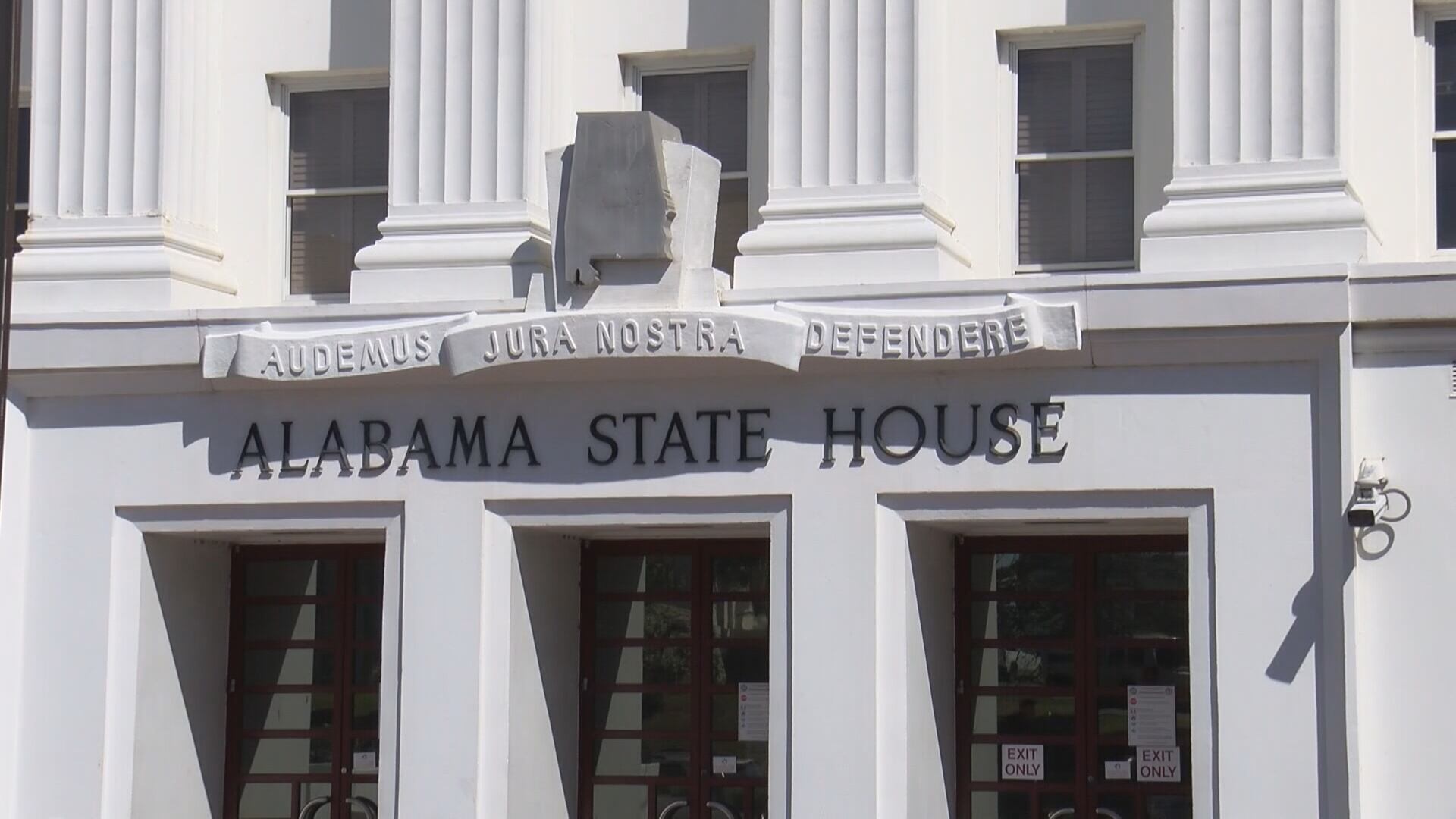
 Birmingham, AL, October 1, 2026 —
Alabama is preparing to enact a significant legislative update, with over 150 new state laws scheduled to take effect on October 1, 2026. These laws will introduce changes across a broad spectrum of state operations and citizen services.
The forthcoming legislation covers a diverse array of topics, reflecting a comprehensive approach to updating state statutes. Among the areas addressed are advancements in child sex-crime laws, new regulations concerning data collection practices, and measures aimed at combating cryptocurrency fraud.
Further legislative changes will impact financial and public services. These include modifications to ambulance billing procedures, updated rules for public official conduct, and new provisions for animal welfare. The state will also see alterations in how election contributions are managed and the introduction of digital driver’s licenses.
Educational initiatives are also part of the new legal framework, with mandates for computer science education. In the realm of infrastructure and business, new laws will govern data center utility contracts, military experience recognition, and non-disclosure agreements specifically related to sexual abuse cases.
Public safety and legal penalties are also subject to revision. The legislation includes updates on capital offenses, volunteer firefighter benefits, penalties for fleeing police, and public vaping bans. Provisions related to disability markers on licenses, DUI and hit-and-run penalties are also part of the upcoming changes.
Additionally, the new laws will address social and economic issues. These include regulations on Ten Commandments displays in schools, overtime pay tax deductions, abandoned vehicle reporting, and the establishment of storm-proofing home savings accounts. Measures concerning untaxed tobacco resellers, National Guard pay and tuition benefits, and court trial delays for military service are also included. Furthermore, the state will implement changes for disabled veteran tax exemptions and home loans, affordable housing initiatives, mayoral tie-breaking votes, vacant property registration fees, city audit spending thresholds, dredging material reuse, and shoreline restoration projects.
The exact details and specific implementation strategies for each of these over 150 laws will become relevant as the October 1, 2026 effective date approaches.
Story summarized from the original created by Morgan Hightower on www.wbrc.com, see more information here.
Media gallery
