Demand for Aging-Ready Homes Surges Amidst National Shortage
As the U.S. population ages, there is a growing demand for "aging-ready" homes that feature amenities like a first-floor bedroom and bathroom, and step-free entryways. However, a study indicates a national shortage of such homes, leading to challenges for older…

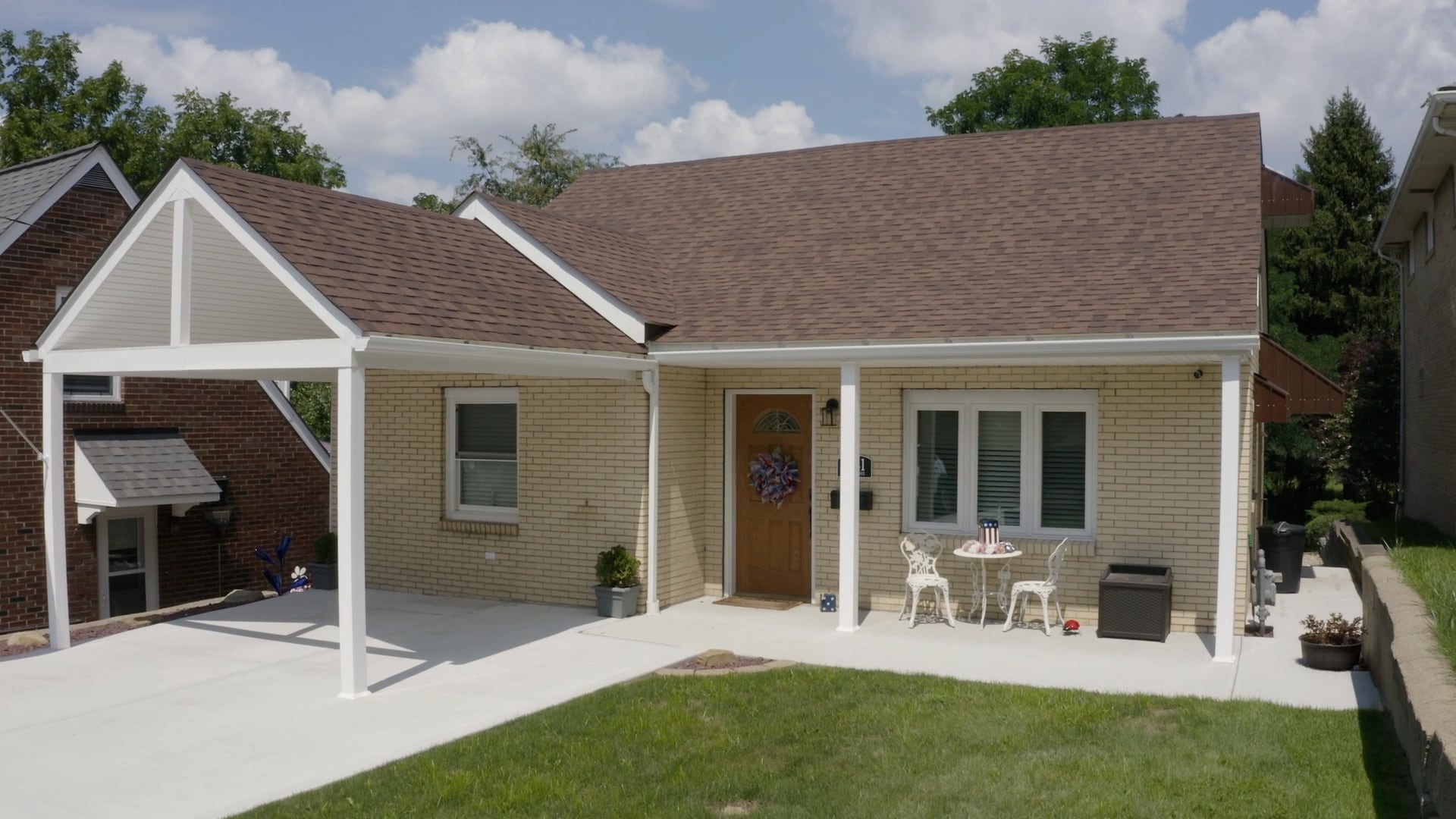
 Birmingham, AL, November 6, 2026 — The United States is experiencing a significant increase in demand for homes designed to accommodate an aging population, commonly referred to as “aging-ready” residences. These homes typically feature accessibility-focused amenities such as a first-floor bedroom and bathroom, along with step-free entryways. However, a recent study highlights a considerable national shortage of these specialized housing options.
This scarcity presents substantial challenges for older adults and their families who are actively seeking housing that is not only suitable for their current and future needs but also accessible and affordable. The growing demographic of seniors requires living environments that support independence and safety, often necessitating modifications that are not readily available in the current housing market.
Experts in the field stress the importance of proactive planning and seeking professional guidance to manage the transition to more accessible living. This advice applies whether individuals are considering retrofitting their current homes to improve accessibility, purchasing a pre-adapted property, or building a new home that meets aging-in-place criteria.
The national shortage means that finding suitable properties can be a complex and often lengthy process. The lack of readily available aging-ready homes can force difficult decisions upon seniors and their families, impacting their quality of life and independence. The trend underscores a widening gap between the needs of the aging population and the available housing stock, prompting discussions about future housing development and renovation strategies.
Story summarized from the original created by Natalie Faunce, InvestigateTV staff on www.wbrc.com, see more information here.
Media gallery