
Oil-to-Gas Conversions in New Jersey: Doctor Water Heater Says Now Is the Time to Plan Before Winter
New Jersey plumbing and heating specialist explains key considerations for homeowners planning to convert from oil to
Press Release Disclaimer: This is a press release distributed through the XPR Media network. It has not been independently verified by our newsroom.
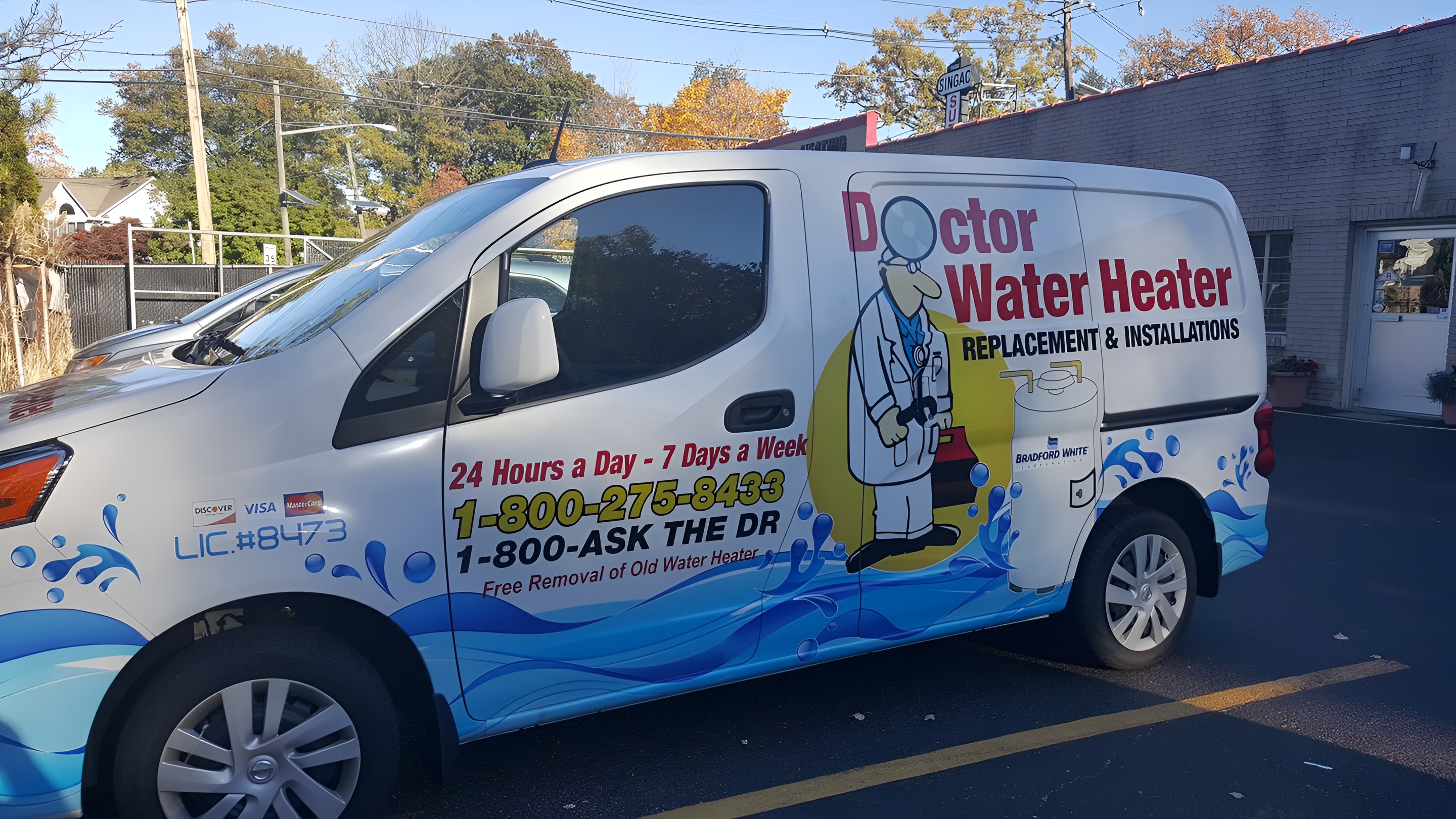

New Jersey plumbing and heating specialist explains key considerations for homeowners planning to convert from oil to natural gas.
DENVILLE, NJ, UNITED STATES, August 18, 2026 /EINPresswire.com/ — With another New Jersey heating season approaching, Doctor Water Heater is encouraging homeowners with older oil-fired heating systems to begin evaluating an oil-to-gas conversion before colder weather arrives.
Converting a home from oil to natural gas can involve more than simply replacing one piece of heating equipment. Homeowners may need to confirm natural-gas availability, select compatible heating equipment, obtain municipal permits, install new gas piping and complete required inspections before the new system can be placed into service.
For homeowners already considering replacing an aging oil boiler or heating system, late summer and early fall can provide an opportunity to evaluate those decisions before the system is needed daily during winter.
“An oil-to-gas conversion is something homeowners should plan rather than wait until their existing heating system fails in the middle of winter,” said Anthony J. Intile Jr. of Doctor Water Heater. “The first step is understanding whether natural gas is available at the property and then looking at the home’s existing equipment and what would be required to make the conversion.”
Doctor Water Heater provides oil-to-gas conversion services in New Jersey, including gas piping and heating-system services for homeowners throughout its New Jersey service area.
CAN ANY NEW JERSEY HOME CONVERT FROM OIL TO NATURAL GAS?
Not necessarily. Before planning an oil-to-gas conversion, homeowners first need to determine whether natural-gas service is available at their property.
The utility company determines whether gas service can be provided and what utility-side work may be necessary. If service is available, a licensed plumbing or HVAC contractor can then evaluate the home’s existing heating equipment and the work required inside the property.
Homeowners should confirm gas availability before purchasing new equipment or committing to a conversion project.
WHAT HAPPENS DURING AN OIL-TO-GAS CONVERSION?
The exact project varies depending on the house and its existing mechanical systems. After natural-gas service is coordinated with the utility, the contractor may need to evaluate the existing oil-fired heating system, determine which equipment will be replaced, obtain applicable municipal permits, install gas piping, connect new gas appliances, pressure-test the piping and coordinate required inspections.
Doctor Water Heater’s oil-to-gas conversion service includes installing gas piping from the new meter to appliances inside the home, including boilers, water heaters, stoves, dryers and fireplaces.
DO YOU NEED A NEW BOILER WHEN CONVERTING FROM OIL TO GAS?
For homeowners with oil heat, converting fuels may also be an opportunity to evaluate the condition of the existing boiler or heating system.
An oil-fired boiler cannot simply begin operating on natural gas without appropriate compatible equipment and professional evaluation. Depending on the existing system and conversion plan, homeowners may need new gas-fired heating equipment or other modifications.
This is particularly important for homes with older boilers that were already approaching replacement.
Rather than looking at the fuel conversion and boiler as completely separate decisions, homeowners can evaluate the entire heating system at the same time.
Doctor Water Heater also provides boiler installation and boiler replacement in New Jersey, allowing homeowners to compare the condition of their current system with available replacement options.
WHY CONSIDER AN OIL-TO-GAS CONVERSION BEFORE WINTER?
Heating-system projects can require coordination between the homeowner, contractor, municipality and utility company. That makes timing important.
Waiting until an oil-fired heating system completely fails during cold weather can reduce the amount of time a homeowner has to evaluate different options.
Planning before heating season provides additional time to determine whether natural gas is available, which heating equipment is appropriate, what permits will be required, where new gas piping needs to run, whether other appliances will also be converted and what inspections must occur before the system is placed into operation.
PSE&G’s oil-to-natural-gas conversion process, for example, advises customers to coordinate with a plumbing or HVAC contractor, determine equipment requirements, obtain applicable permits and complete inspections before the meter and new service are finalized.
CAN NATURAL GAS BE USED FOR MORE THAN THE HEATING SYSTEM?
Yes. One reason homeowners may evaluate a natural-gas conversion is that a new gas supply can potentially serve multiple household appliances.
Depending on the home’s layout, available capacity and project design, natural gas may be used for boilers, water heaters, gas ranges, clothes dryers, fireplaces and other compatible gas appliances.
Gas piping must be properly sized based on the appliances being served and installed in accordance with applicable codes. Doctor Water Heater evaluates the home’s intended gas appliances when planning interior gas piping for an oil-to-gas conversion.
IS OIL-TO-GAS CONVERSION THE RIGHT CHOICE FOR EVERY HOME?
No single heating option is right for every New Jersey property.
Homeowners should consider natural-gas availability, the condition of their existing heating system, installation costs, future equipment needs and the way the home is currently configured.
“We want homeowners to understand their options rather than assume there is one answer for every house,” Intile said. “If the existing boiler is nearing the end of its useful life, that can be a good time to look at the overall heating system and determine whether staying with the existing fuel or converting makes more sense for that property.”
OIL-TO-GAS CONVERSION SERVICES IN NEW JERSEY
Doctor Water Heater provides oil-to-gas conversion and heating services for homeowners in Denville, Morristown, Morris Plains, Parsippany, Mountain Lakes, Rockaway, Livingston, Fairfield, Montclair, Roseland, North Caldwell, West Caldwell and surrounding New Jersey communities.
Services include oil-to-gas conversions, gas-line installation, boiler replacement, boiler installation, boiler repair, gas water heater installation, tankless water heater installation, plumbing services, and water heater repair and replacement.
Homeowners considering an oil-to-gas conversion in New Jersey can contact Doctor Water Heater at (800) 275-8433 or visit DoctorWaterHeater.com.
ABOUT DOCTOR WATER HEATER
Doctor Water Heater is a New Jersey plumbing, heating and water-heating company based in Denville. Anthony J. Intile Jr. has been a licensed plumbing contractor since 1986, and the company provides water heater, boiler, plumbing and oil-to-gas conversion services throughout New Jersey.
Anthony J. Intile
Doctor Water Heater
+1 800-275-8433
email us here
Visit us on social media:
Instagram
Facebook
YouTube
Legal Disclaimer:
EIN Presswire provides this news content “as is” without warranty of any kind. We do not accept any responsibility or liability
for the accuracy, content, images, videos, licenses, completeness, legality, or reliability of the information contained in this
article. If you have any complaints or copyright issues related to this article, kindly contact the author above.

Media gallery
